
Colorado Police Blotter Database
Colorado police blotter records offer a window into daily law enforcement activity across the state. These public logs document arrests, incidents, and bookings that occur in communities from Denver to Durango. Residents can search these records to stay informed about local crime trends and public safety matters. The Colorado Criminal Justice Records Act ensures certain police records remain accessible to the public. Whether you are researching a specific incident or tracking activity in your neighborhood, police blotter data provides timely information about law enforcement actions statewide.
Colorado Police Blotter Quick Facts
Understanding Colorado Police Blotter Records
Police blotter entries capture the raw facts of law enforcement work. Each log contains names, dates, charges, and locations tied to arrests and incidents. These records help citizens understand what happens in their communities daily. The Colorado Bureau of Investigation manages statewide criminal history data. Local sheriff offices and police departments maintain their own daily logs and arrest rosters.
Blotter records serve many purposes. Journalists use them to report on local crime. Residents check them to monitor neighborhood safety. Attorneys access them for case research. The records create transparency between police and the public they serve. This openness builds trust and accountability across Colorado communities.
Different agencies use different formats. Some publish daily PDF reports. Others offer searchable online databases. Many update their rosters every few hours. The format varies by department size and resources. Large cities like Denver offer detailed online portals. Smaller towns may rely on phone calls or weekly reports.
State law defines what information must be released. C.R.S. § 24-72-303 requires agencies to record and maintain records of official actions. These include arrests, charges, and dispositions. This statute forms the backbone of public access to police records in Colorado.
Colorado State Police Blotter Resources
The Colorado Bureau of Investigation provides the main statewide criminal history search tool. Their Internet Criminal History Check System allows instant name-based searches. This database covers arrests and convictions from across Colorado. Each search costs six dollars. Results cannot be notarized. Juvenile records remain sealed from public view.
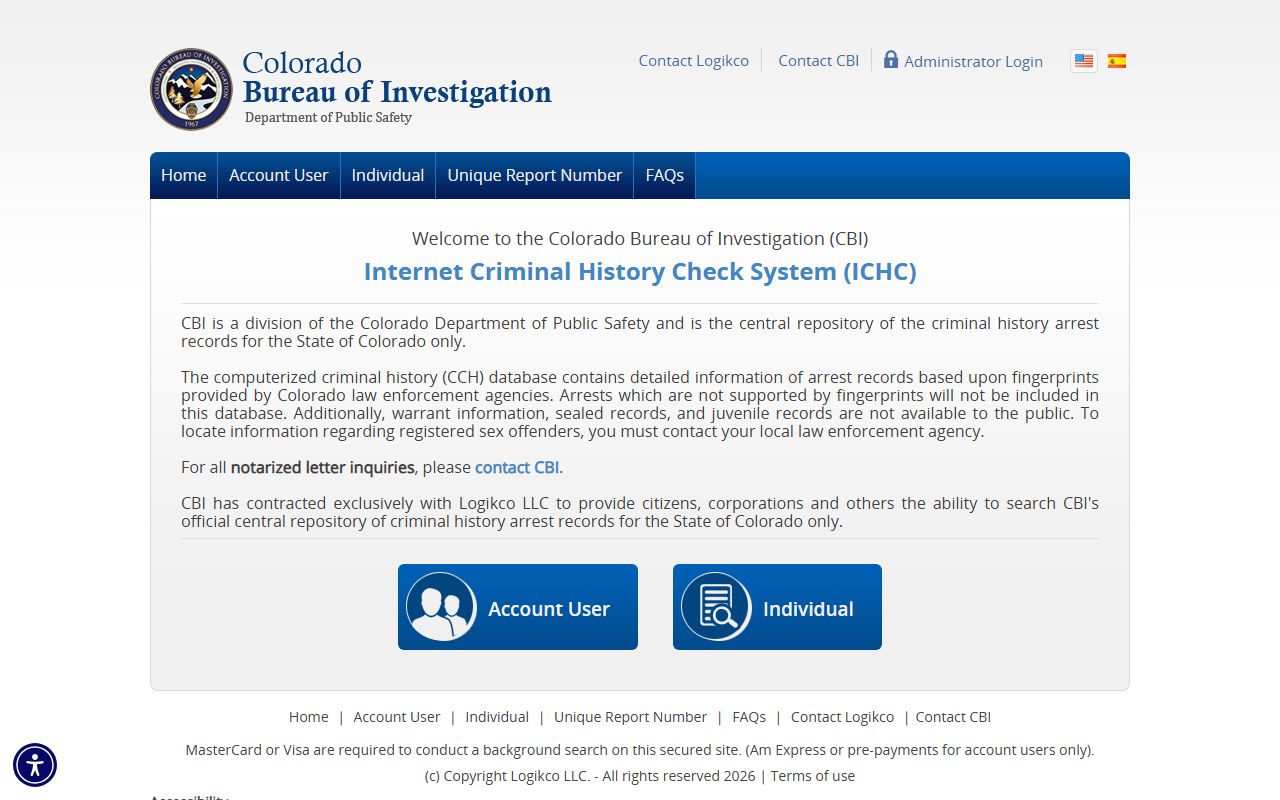
The CBI system provides quick access to criminal history records from across Colorado.
The CBI Records Unit handles formal record requests. They process requests under the Colorado Criminal Justice Records Act. Submit requests in writing via email to CDPS_CBI_CORA@state.co.us. Include your name, contact details, and a clear description of the records you need. Staff will respond within three business days with an acknowledgment.
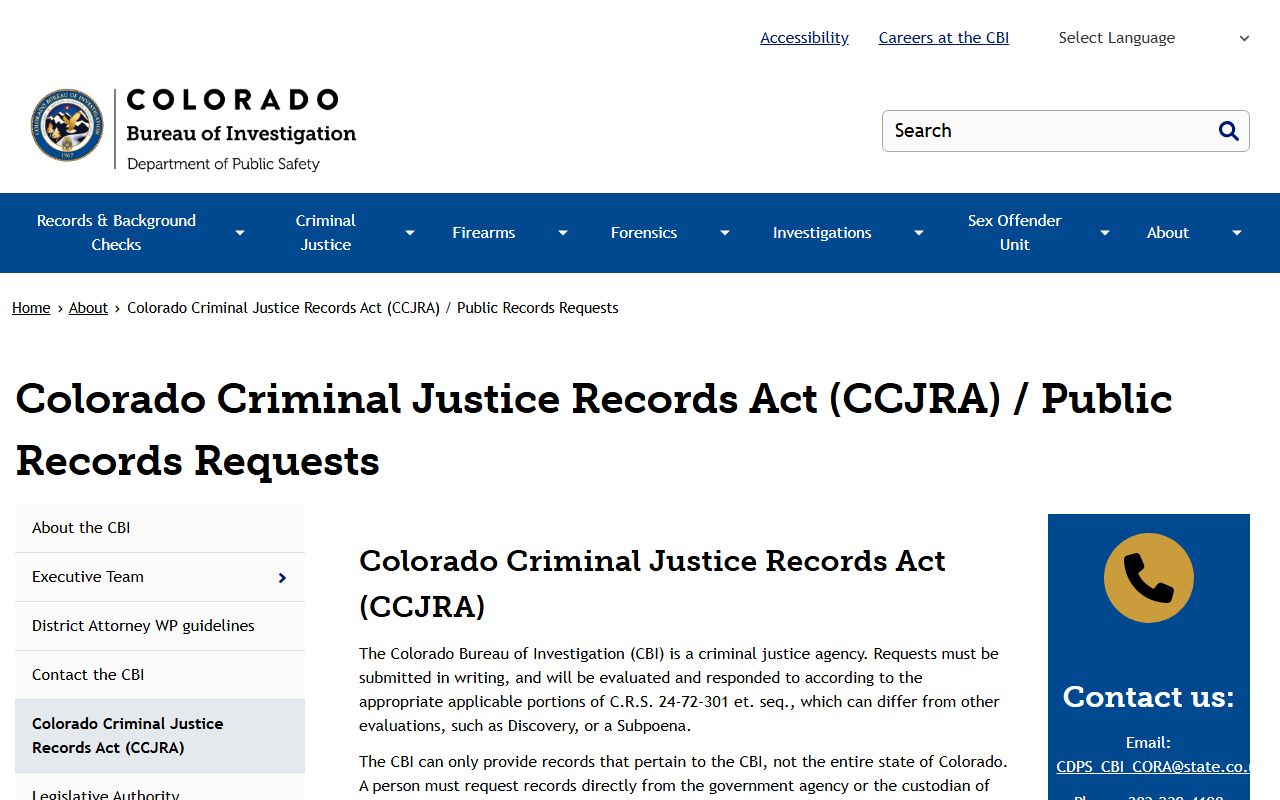
Written requests to the CBI require specific information to process properly.
The Colorado State Patrol maintains separate records for state highway incidents. Their Central Records Unit handles all CSP criminal justice records. Submit requests through their online portal or contact them directly. Their office sits at 700 Kipling Street in Lakewood. Phone support is available at 303-239-4180.
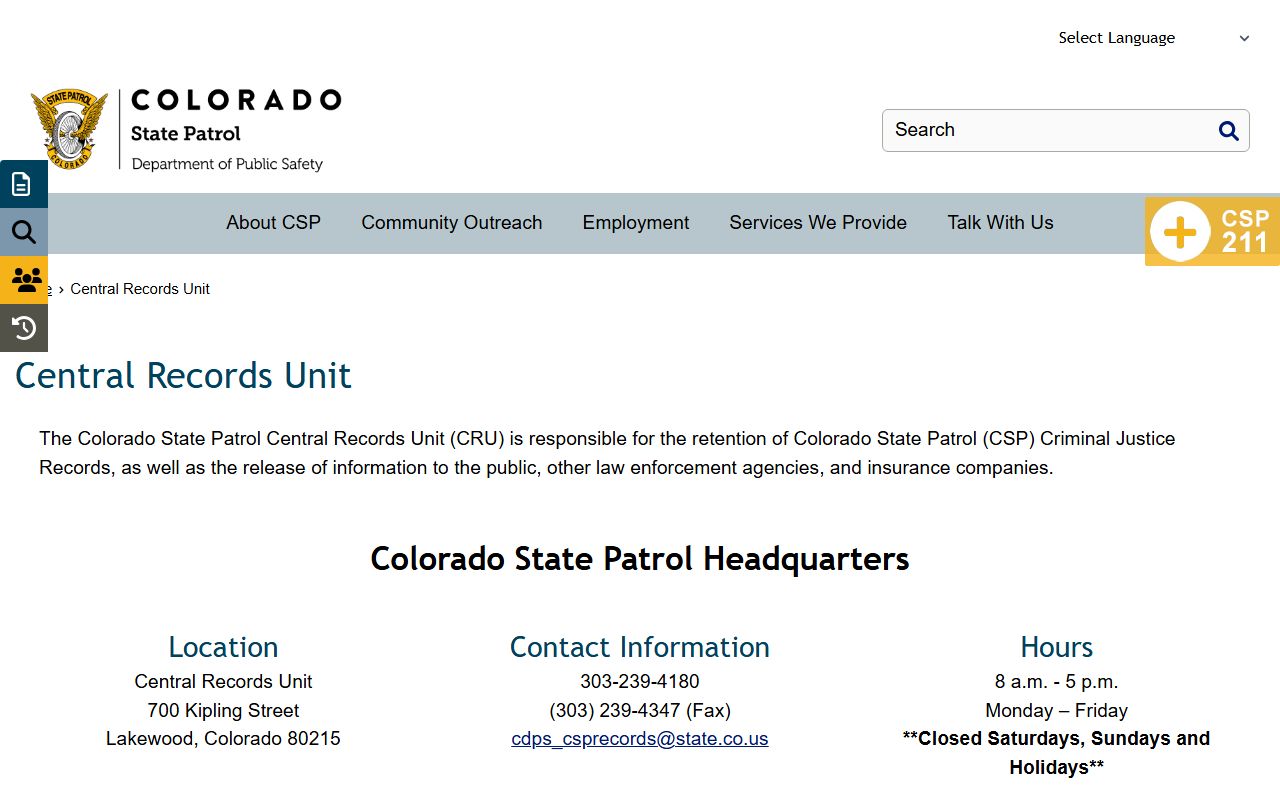
State Patrol records cover highway incidents and state-level enforcement actions.
The Colorado Judicial Docket Search offers free access to court records. Search by party name, case number, or date range. Case classes include criminal, misdemeanor, juvenile, and traffic matters. At least one filter beyond date is required for searches. This tool helps track cases from arrest through disposition.
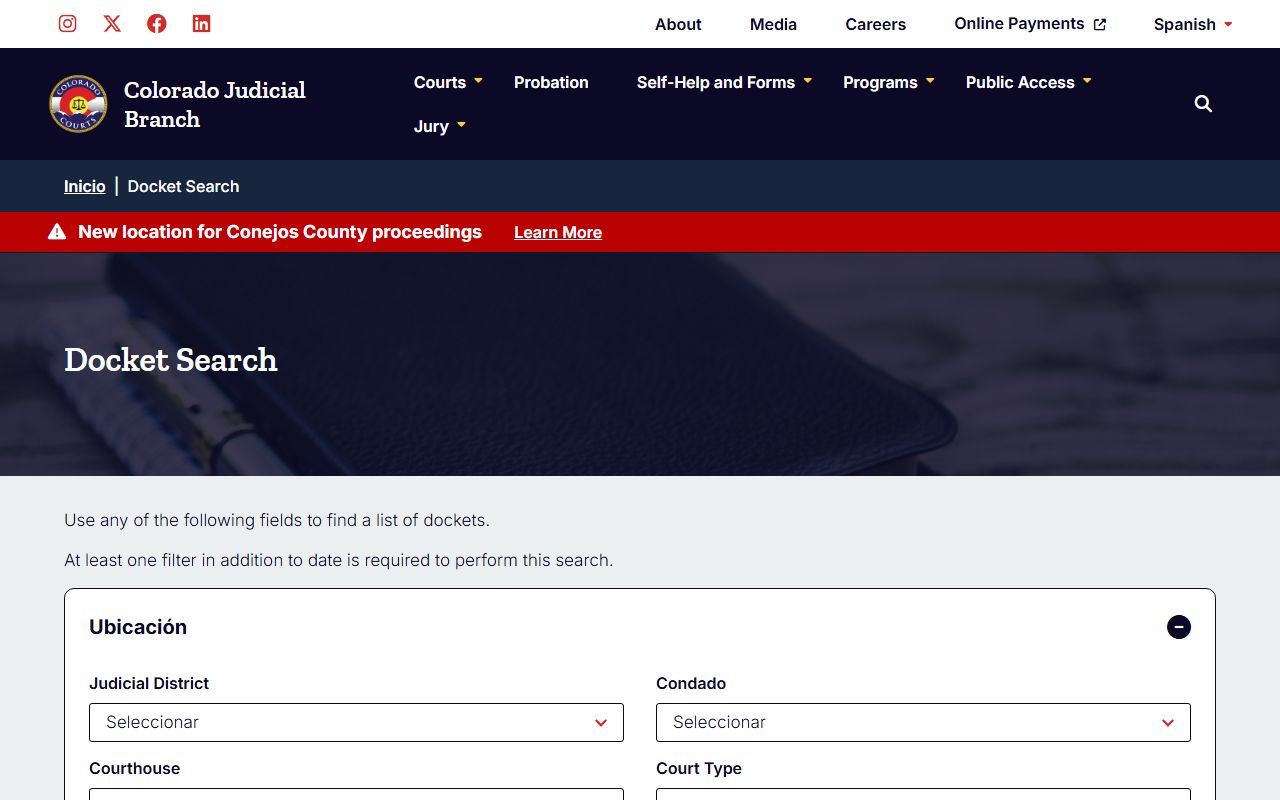
The judicial docket system connects arrest records to court proceedings statewide.
Law enforcement agencies across Colorado answer to the Attorney General's Office for records compliance. The AG provides guidance on CORA and CCJRA requirements. Contact them at cora.request@coag.gov or call 720-508-6553 for policy questions.
The Attorney General sets standards for public records access across Colorado agencies.
Note: State-level databases may not include the most recent arrests. Local agency blotters often update faster than statewide systems.
CORA and CCJRA Access Laws
Colorado has two main laws governing records access. The Colorado Open Records Act applies to most government documents. However, criminal justice records fall under a separate statute. The Colorado Criminal Justice Records Act sets special rules for police and court records. Understanding both laws helps you get the documents you need.
CORA requires responses within three business days. Agencies can extend this by seven days for complex requests. Fees are capped at twenty-five cents per page. Digital copies carry no per-page fees. The first hour of research is free. Staff can charge hourly rates after that first hour. CDPS charges forty-one dollars and thirty-seven cents per hour for research time.
CCJRA works differently. It requires only a reasonable response time. This flexibility acknowledges the complexity of criminal records. C.R.S. § 24-72-301 through 24-72-305 define these rules. The law creates two categories of records. Records of official action must be open. All other criminal justice records are discretionary. Agencies may deny requests for investigatory files.
All CCJRA requests require a pecuniary gain statement. You must affirm that records will not be used for direct business solicitation. This prevents companies from mining arrest data for marketing purposes. The form protects individual privacy while preserving public access.
Finding Local Police Blotter Records in Colorado
County sheriff offices maintain the primary local law enforcement records in Colorado. Most counties operate their own jails and booking systems. Larger counties offer online inmate search tools. Smaller counties may rely on phone inquiries or weekly reports. Each county sets its own fee schedule for copies and searches.
The Colorado VINE system tracks inmates across multiple jurisdictions. This free service provides custody status information. Victims can receive automatic notifications when offenders are released. VINE covers county jails and state prisons. Not all counties participate in this program.
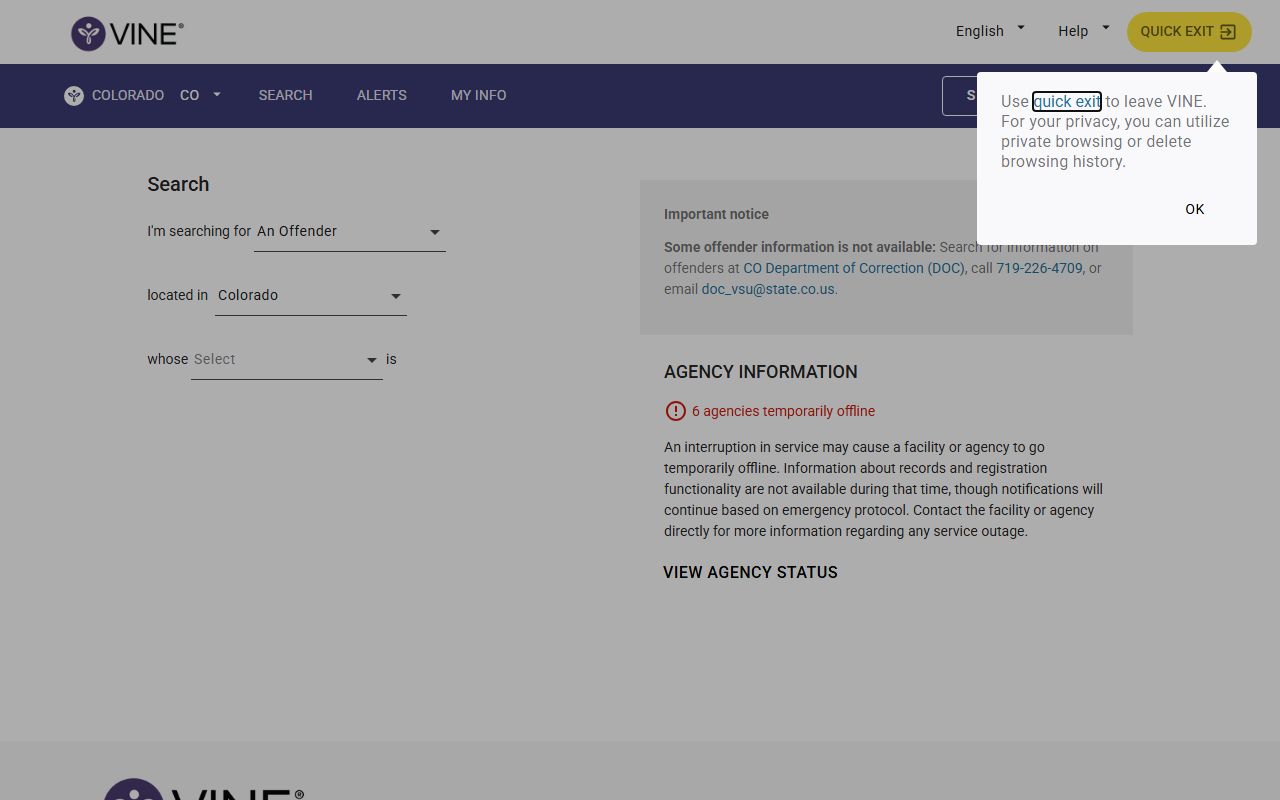
VINE provides automated custody alerts for victims and concerned citizens statewide.
City police departments maintain separate records from county sheriffs. Municipal police handle calls within city limits. Their blotters show local incidents and arrests. Many cities publish weekly or monthly crime summaries. These reports show trends and patterns in local law enforcement activity.
Third-party portals aggregate data from multiple agencies. CoCourts by LexisNexis offers court record searches. Background Information Services provides similar access. These vendors charge fees but offer convenient statewide searches.
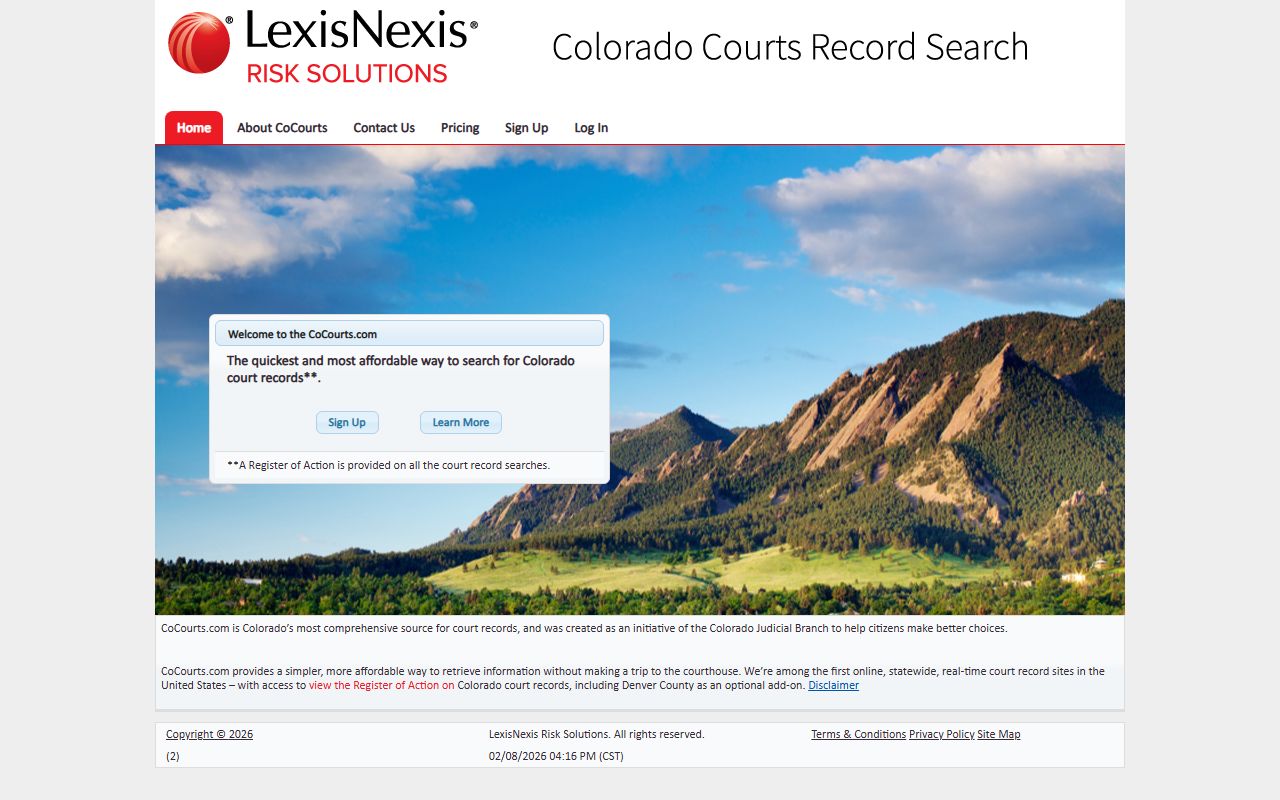
Third-party services compile records from multiple Colorado jurisdictions for easier access.
The Colorado Department of Corrections manages state prison inmate records. Their Offender Search tool shows current inmates and parolees. This differs from county jail records. State prisoners have already been sentenced. County jail inmates may be awaiting trial or serving short sentences.
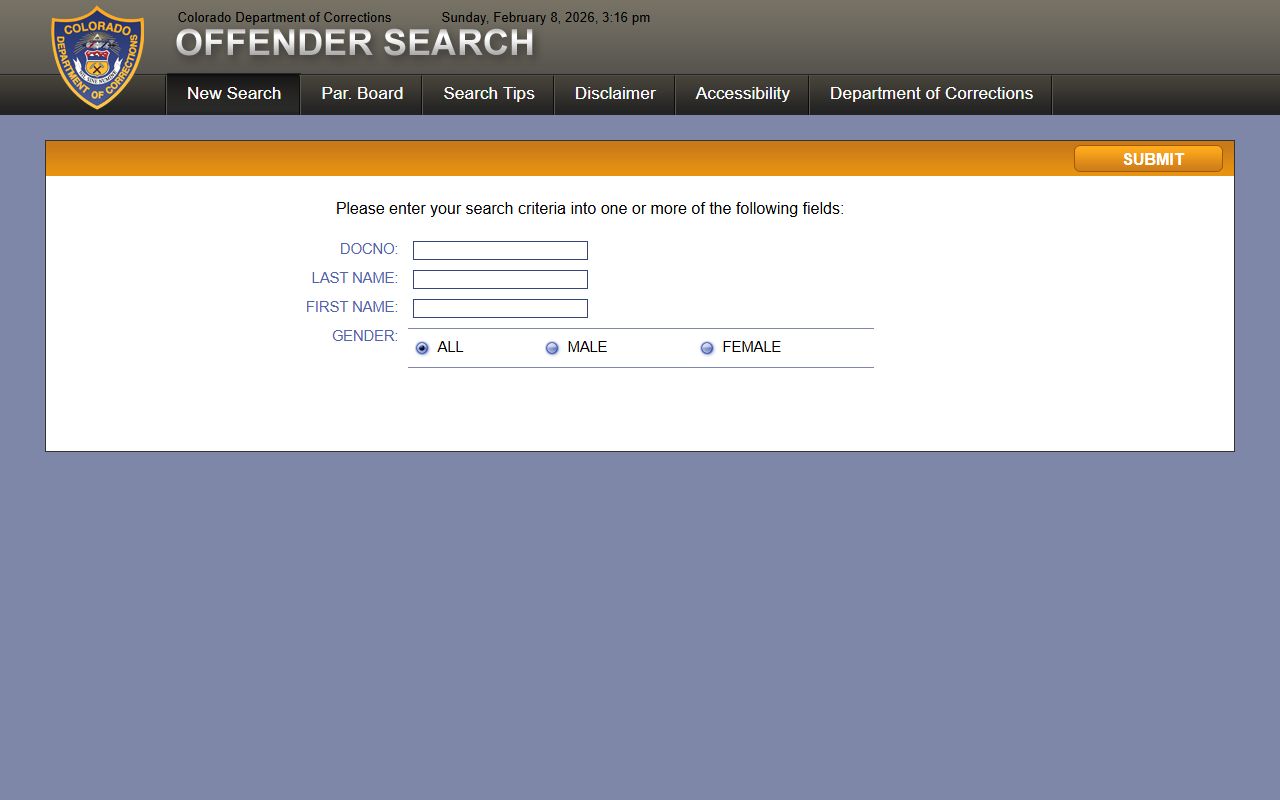
The DOC database tracks state prison inmates separate from county jail populations.
Types of Police Blotter Records in Colorado
Arrest logs form the core of most police blotter publications. These lists show who was booked into jail and when. Entries typically include the arrestee's name and charges. Some agencies include mugshots. Others withhold photos pending conviction. Daily arrest reports provide the freshest data on local law enforcement activity.
Incident reports document calls for service and police responses. These records show what officers encountered at a scene. Reports include witness statements and officer observations. Not all incident reports result in arrests. Many document accidents, disturbances, or welfare checks. Agencies vary in how much detail they release.
Booking reports list new jail intakes with detailed charge information. These records show bond amounts and court dates. Some counties publish booking photos online. Others restrict photo access to in-person requests. CBI FAQs explain what criminal history information is publicly available.
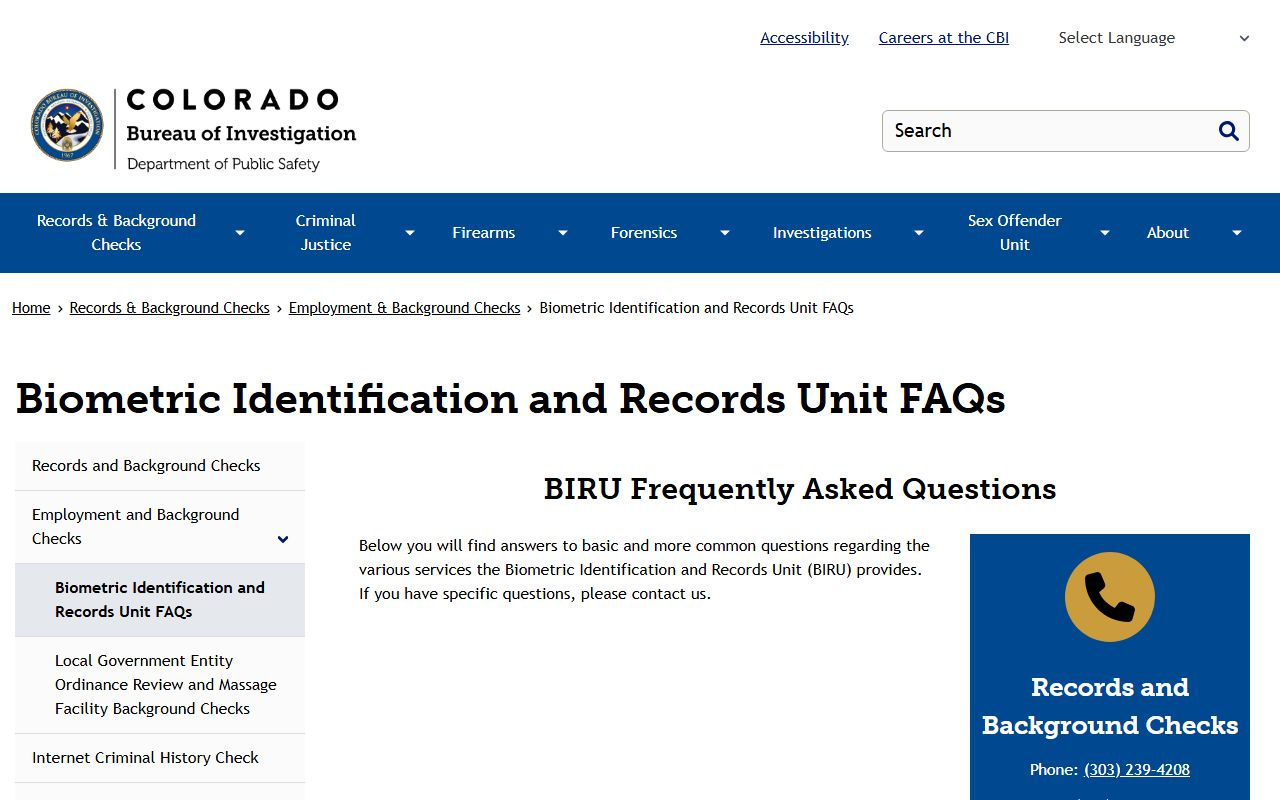
The CBI FAQ page answers common questions about criminal history record access.
Activity blotters summarize recent law enforcement actions. These may include warrant service, traffic stops, and case closures. Weekly summaries help residents understand police workload. Some rural counties rely on newspaper blotters rather than online systems.
Note: Juvenile records remain sealed under C.R.S. § 19-1-301. The public cannot inspect these files. This protection applies to anyone under eighteen at the time of arrest.
How to Request Colorado Police Blotter Records
Start by identifying which agency holds the records you need. County sheriffs handle most arrests outside city limits. City police departments manage incidents within municipal boundaries. The CBI provides statewide criminal history checks. Court records sit with the judicial branch.
Online searches offer the fastest results. Many agencies provide free inmate locators and blotter archives. Check the agency website first. Look for sections labeled "Public Records," "Inmate Search," or "Daily Blotter." Some systems require registration. Most are open to the public without accounts.
For specific incident reports, submit a formal CCJRA request. Include your full name and contact information. Describe the records you want with reasonable specificity. Sign the pecuniary gain affirmation. Submit via the agency's preferred method. Many accept email, web portals, or mail.
Fees vary widely across Colorado agencies. The CBI charges six dollars per criminal history search. Local agencies may charge two to fifteen dollars for background checks. Copy fees range from a quarter to a dollar per page. Some agencies waive fees for the first ten pages. Research time may incur hourly charges after the first free hour. Body camera footage costs more due to redaction work.
The Colorado Judicial Branch Access Guide explains court record procedures. Contact them at public.access@judicial.state.co.us or call 720-625-5000 for court-related requests.
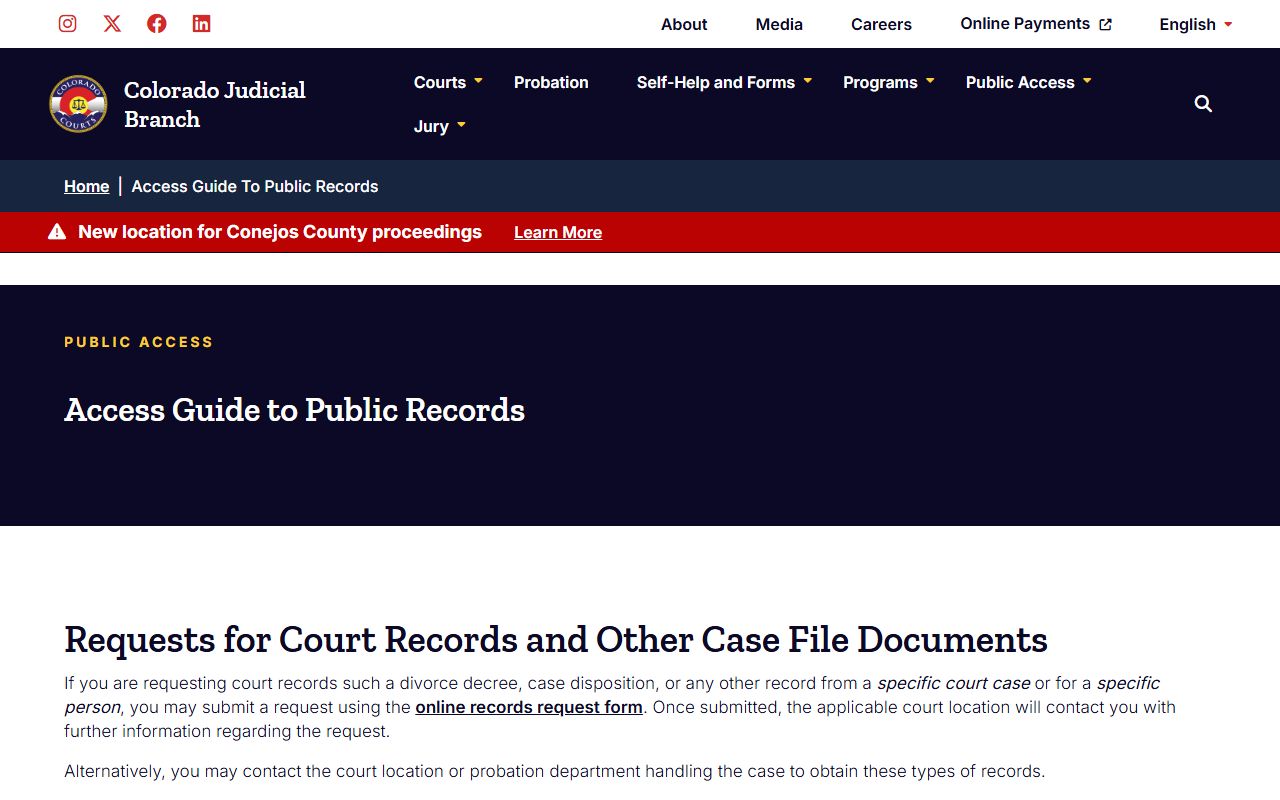
The Judicial Branch provides guidance on accessing court records and case documents.
Browse Colorado Police Blotter by County
Colorado's 64 counties each maintain distinct law enforcement records systems. Select a county to find local sheriff office contact information and available online search tools.
Police Blotter Records in Major Colorado Cities
Colorado cities with populations over 25,000 maintain dedicated police departments with their own records systems. Choose a city to explore local police blotter resources and access methods.